For Immediate Release
West Nile Virus Activity Confirmed in Montana
Contact:
- DPHHS: Jon Ebelt, Communications Director, (406) 444-0936, (406) 461-3757, jebelt@mt.gov
DPHHS urges Montanans to take increased caution against mosquito bites this summer
State and local health officials confirmed the first detections of West Nile virus (WNV) in Montana for summer 2026. WNV activity will likely spread across the state, and the Department of Public Health and Human Services (DPHHS) is urging all Montanans to take increased precautions against mosquito bites.
Two mosquito pools have tested positive for WNV in Roosevelt County. Detection of WNV in mosquitoes is an early indicator that activity is increasing within the state, elevating the risk of human illness. No cases of WNV infections have been reported in humans or horses yet this summer.
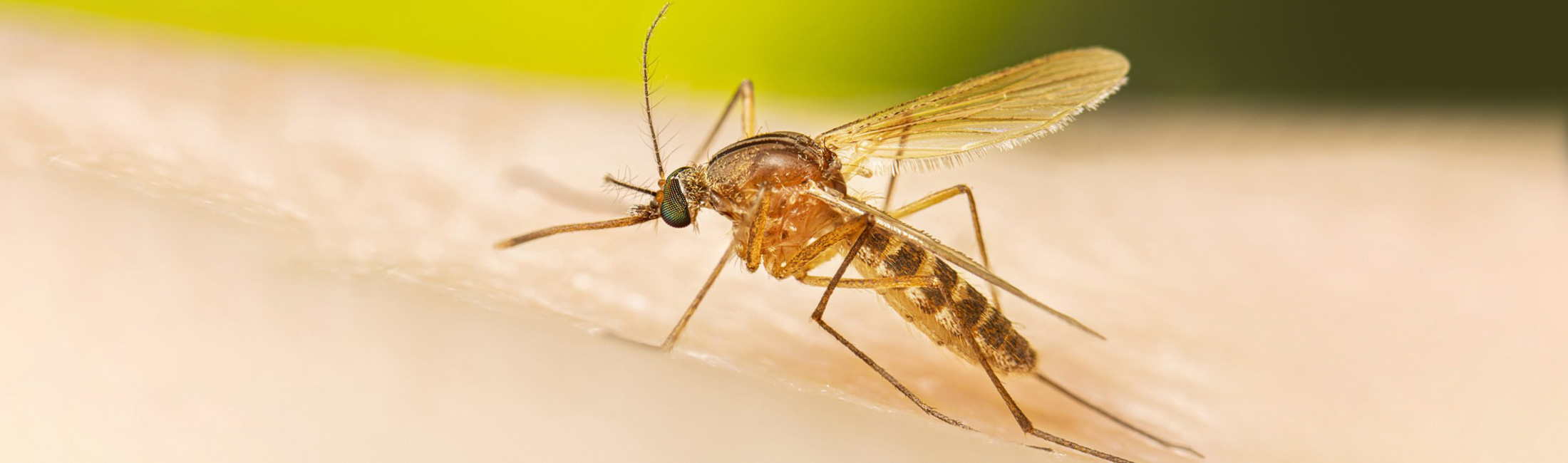
WNV can cause illness in humans after a bite from an infected Culex mosquito. The increased risk of transmission to humans is expected to continue through October, or as long as mosquitoes remain active in the state.
“West Nile virus symptoms span a wide spectrum, with many people experiencing prolonged, flu-like fatigue and body aches, while others remain entirely asymptomatic,” said DPHHS Vectorborne Disease Epidemiologist Devon Cozart. “The risk of severe illness is a serious concern; every year, some Montanans experience neurological complications that can cause permanent disability or death. We urge everyone to take steps to mitigate these risks by making mosquito bite prevention a daily habit.”
Currently, there is no vaccine or targeted medication for WNV in humans, aside from supportive care. Most people who become infected with WNV will be asymptomatic, but one in five experience mild symptoms, including headache, rash, body aches, joint pains, fatigue, vomiting, and diarrhea. Fatigue and body aches may persist for weeks following infection.
About 1 in 150 human infections result in severe disease, known as neuroinvasive West Nile virus infection. Neuroinvasive West Nile can cause neurological symptoms, including disorientation, stupor, coma, paralysis, vision loss, and convulsions. WNV can be fatal or lead to long-term neurological complications.
Horses can also be infected with WNV. Horse owners may contact their veterinarian to obtain an annual vaccine to protect against WNV.
Preventing mosquito bites is important when spending time outdoors in the summer, especially during dusk and dawn, which are peak feeding activity times for female Culex mosquitoes. Permethrin is an insect repellent that can be utilized to treat clothing and gear, including tents. The Environmental Protection Agency also maintains lists of approved insect repellents that can be applied directly to the skin.
Emptying standing water at least once per week is important to keep mosquitoes away from homes. For items such as rain barrels, apply a screen to the opening to restrict mosquito access.
For other mosquito bite prevention tips, check out the 4 Ds of mosquito bite prevention below.
The 4 Ds of Mosquito Bite Prevention include:
- DEET: Use insect repellent containing effective ingredients such as DEET or picaridin. To verify the effectiveness of insect repellent, go to the EPA’s webpage on insect repellents.
- Drain: Drain standing water around the house to prevent mosquito breeding.
- Dawn/Dusk: Mosquitoes are most active during dawn and dusk. Stay inside or take extra precautions to prevent mosquito bites during these times. If doors or windows are left open in the summer, make sure they’re fitted with screens to keep mosquitoes out of the house.
- Dress: When possible, wear long-sleeved shirts and pants to protect against bites.
Contact your local health department or visit the DPHHS West Nile Virus webpage for more information about WNV protection and surveillance activities.
Tags: Public Health, News and Safety and Disease Prevention